Zepsor’s Introduction
Imagine being able to install zero-power infrared sensors in key locations to help fight forest, construction site and warehouse fires. The lives and properties that could be saved are innumerable. Then, imagine that the batteries for these sensors remain in a unique ultra battery-saving mode while continuously monitoring the environment without draining power. The applications of this nanotechnology will impact not only fire safety automation but also home automation, security systems, hygiene products, personal electronics, and so much more.
The list of application possibilities for the zero-power infrared sensors being patented at Zepsor Technologies seem to be endless. Under the leadership of Matteo Rinaldi, Professor of Electrical and Computer Engineering at Northeastern University, Director of the Northeastern SMART Center & Kostas Nanotechnology Laboratory, and Co-Founder Zhenyun Qian, Northeastern student, entrepreneur and innovator, Zepsor is revolutionizing the sensor industry.
Zepsor’s Background
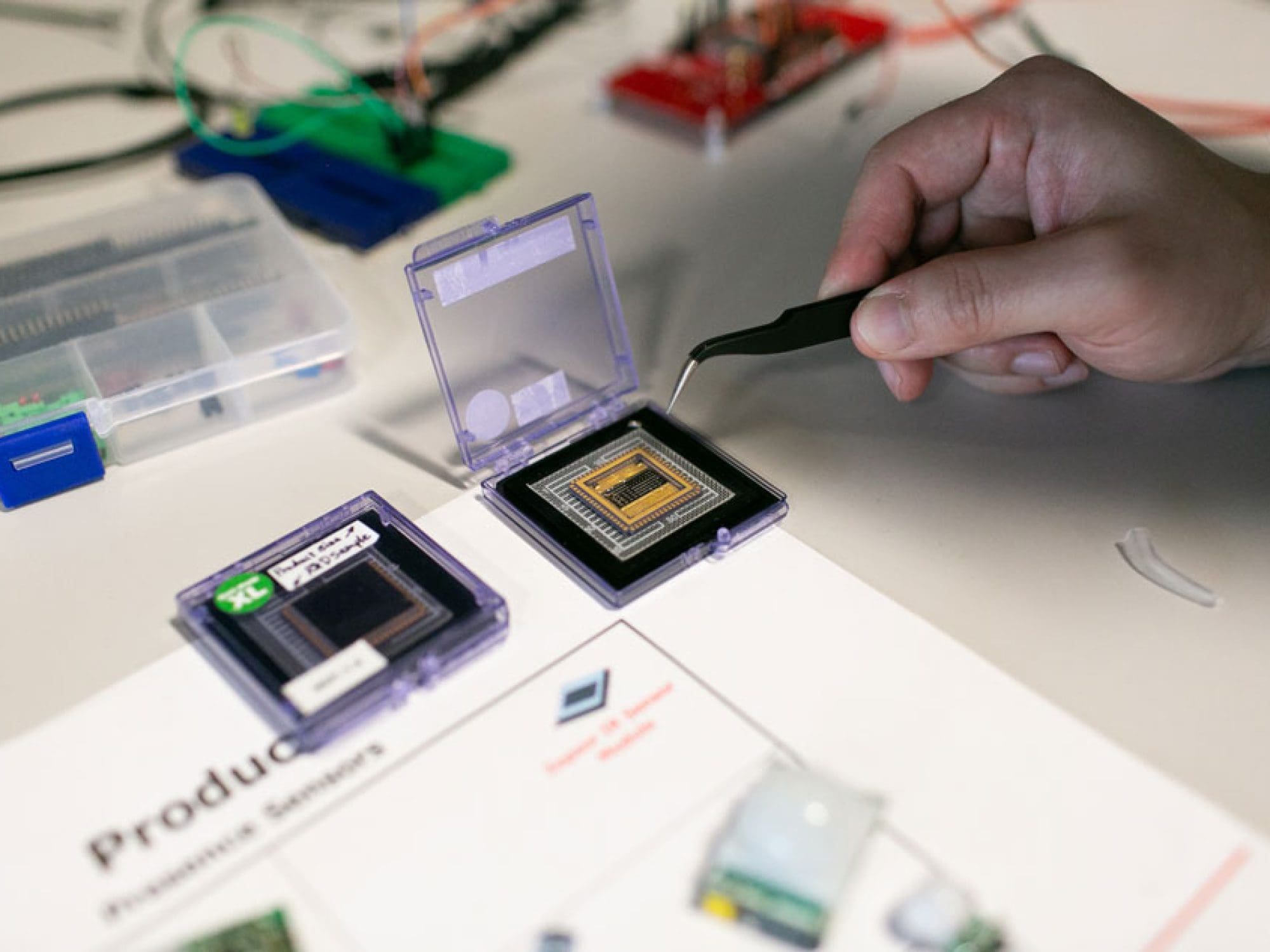
Zepsor, which stands for zero-power sensors, is a leading developer of zero-power infrared sensors. They are designed with unique sensing capabilities that can detect thermal energy and then activate other electronics without the need for idle power.
This means reduced battery consumption for the millions of connected devices that require consumption, making the world more energy efficient and allowing for this one-of-a-kind sleep-yet-alert mode for constant monitoring.

The Problem
One of the fundamental characteristics of traditional sensors is that they remain in constant “standby” mode, thus draining and wasting battery power continuously. This challenge of remaining in standby mode not only drains battery life quickly, resulting in a constant cycle of changing batteries, but the size of the battery pack will be prohibitive as well.
The Solution
Zepsor’s infrared zero-power sensors are designed to break this paradigm of wasting energy in standby mode with the invention of a completely passive micromechanical sensor that can detect and discriminate events of interest by exploiting only the energy contained in their specific infrared signatures. This means that Zepsor’s technology uses zero standby power, is ultra-compact, and spectrally selective while continuously monitoring the target.





The Role of the Innovation Campus in Burlington, MA
In 2015, Professor Rinaldi, CEO of Zepsor Technologies and Co-Founder Zhenyun Qian initially began their research in the labs at Northeastern University where Rinaldi worked and Qian was a Doctoral student. They quickly realized that their research on zero-powered infrared sensors had many interesting commercial opportunities and needed space to explore the possibilities of this as a start-up company.
After receiving a Defense Advanced Research Projects Agency NZERO Award, demonstrating their proof of concept and years of research funded by several agencies, they received a patent on their technology in 2020. Funding was made possible through organizations and agencies such the Bill and Melinda Gates Foundation, ARPA-E, the National Science Foundation, the Department of Energy, and the Department of Homeland Security.
In 2021, the state-of-the-art facilities, labs and office space at ICBM became the perfect fit for the two founders of what would become Zepsor Technologies. The ICBM campus was ideal for being able to coordinate with the university while creating a separate corporation for its innovative ideas.
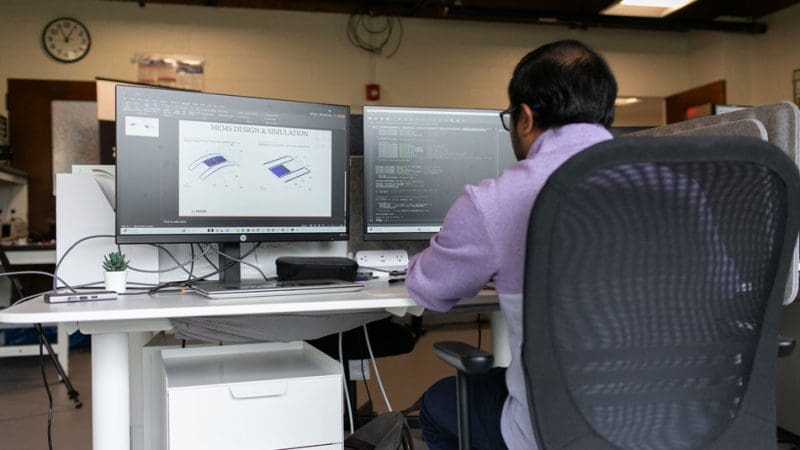
Professor Rinaldi praises the facilities at ICBM as an ideal ecosystem for the advancement of ideas and innovation, especially in his area of expertise: micro and nanotechnology. He remarks that the facilities themselves are extremely functional and affordable and allow for continual growth and flexibility, but they also allow for an easy commute and access to some of the world’s best universities and research facilities.
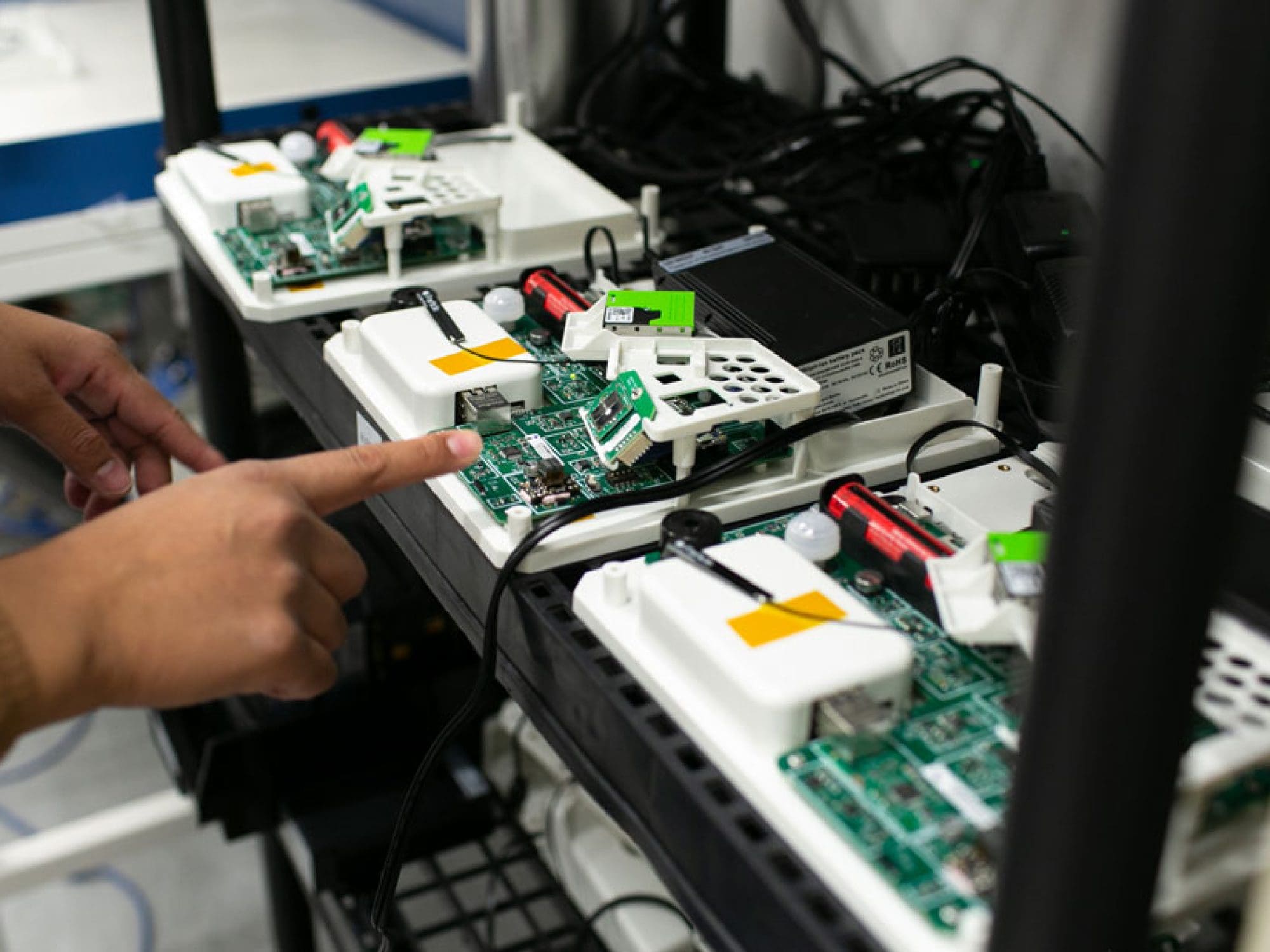
Rinaldi believes that ICBM gave Zepsor Technologies valuable access to key components that would help them elevate their fledgling company. Within the ecosystem of ICBM, Zepsor had access to co-location sharing with other start-ups, a specialized drone facility needed in their research, an imaging lab and exceptional prototyping facilities. Additionally, ICBM serves as a hub of education where training the next generation of innovators becomes possible.